Loading...
Serving Danbury, CT and surrounding areas. (475) 218-4243
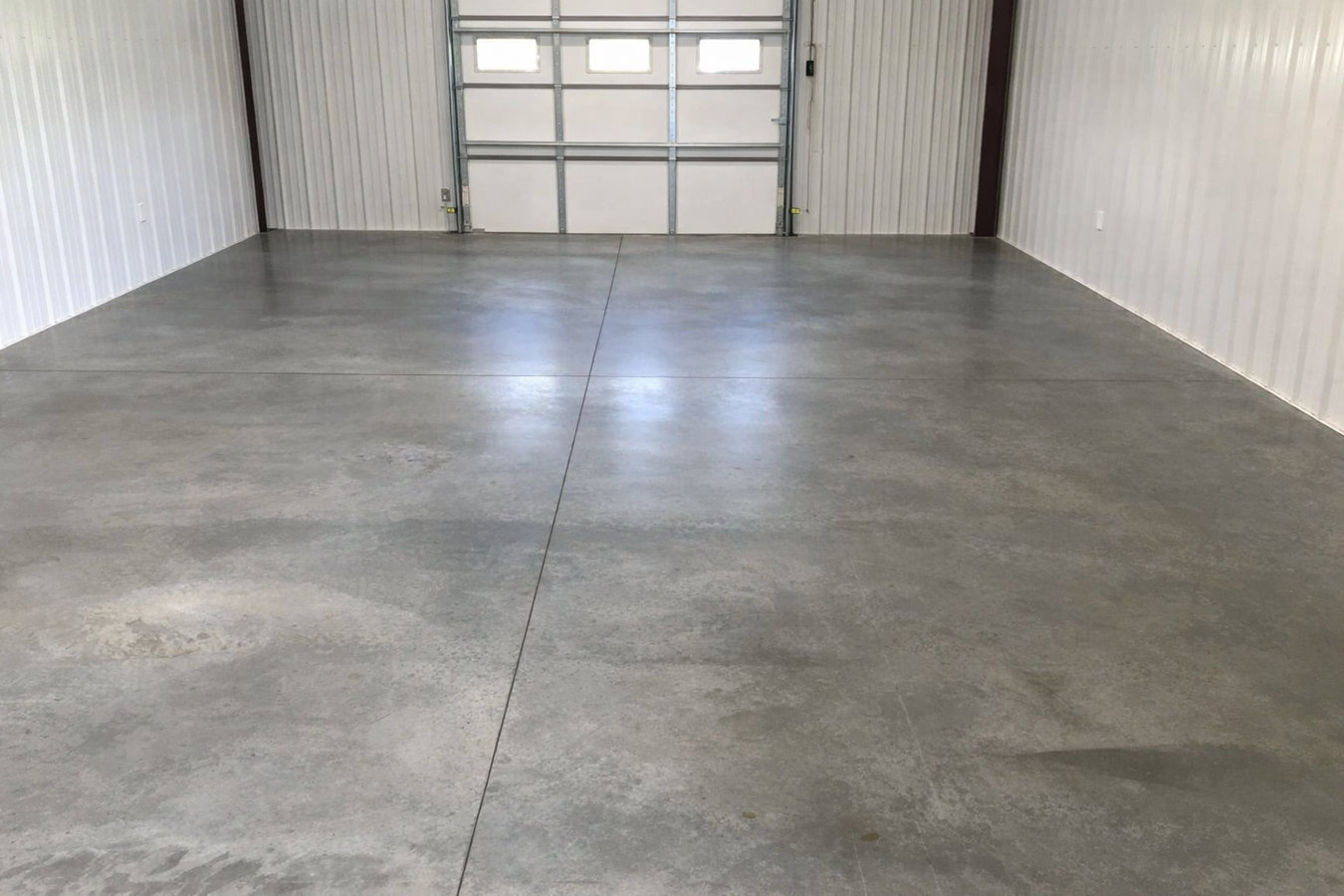
A cracked, flaking, or moisture-damaged floor is a problem that gets worse every winter. Get it replaced right the first time.
A cracked, flaking, or moisture-damaged floor is a problem that gets worse every winter. Get it replaced right the first time.
Concrete floor installation in Danbury starts with removing the existing floor if there is one, preparing the ground underneath, pouring a properly reinforced slab, and finishing the surface before it sets - most jobs take one to three days of active on-site work, with a full curing period of up to 28 days before heavy use. Getting the ground preparation right is what separates a floor that lasts 50 years from one that cracks in three.
If your basement or garage floor is showing cracks, moisture stains, or surface flaking, those are signs the original pour was not prepared for Danbury's climate or that the slab has simply reached the end of its life. A significant share of homes in Danbury were built in the 1940s through 1970s, and many of those original basement slabs were poured thinner and without a vapor barrier - which shows up as moisture problems decades later.
For homeowners thinking about a new garage slab as well, concrete floor installation pairs naturally with garage floor concrete work, and if a finished basement is the goal, it often comes alongside other structural projects.
Small hairline cracks in an older floor are common and not always urgent, but cracks wider than a pencil line - or ones you have watched grow over time - signal that the slab is shifting or deteriorating underneath. In Danbury's older housing stock, this often means the original pour was too thin or lacked proper support. Patching repeatedly is usually less cost-effective than replacing the slab.
White powdery patches or damp spots that appear after rain are a sign that moisture is moving up through the concrete from the ground below. This is especially common in Danbury homes built before the 1980s, which often have no plastic vapor barrier under the slab. Left unaddressed, this leads to mold, musty odors, and damage to anything stored in the space.
Surface flaking - where the top layer peels away in chips - is a direct result of Danbury's freeze-thaw winters working on a floor that was not properly sealed or was poured with too much water in the mix. Once the surface starts breaking down, it tends to accelerate. Large affected sections are usually better replaced than repeatedly patched.
If you are converting an unfinished basement into living space, the existing slab may be uneven, cracked, or simply too low to accommodate flooring materials on top. A new concrete floor is often the right first step before any other finishing work begins - a common situation in Danbury's mid-century ranch and Colonial homes where basements were built for storage, not living.
We pour new concrete floors for basements, garages, workshops, and home additions throughout Danbury. Every project starts with proper ground preparation - compacting the subgrade, laying a gravel base for drainage, and installing a vapor barrier where moisture is a concern. Reinforcement, either welded wire mesh or rebar, goes inside every slab to hold it together if small cracks do form. The finish depends on how the space will be used: a broom finish for garages and outdoor areas provides slip resistance, while a smoother troweled finish suits basements and workshops.
For homeowners dealing with a damaged existing slab rather than a new pour, we also handle full removal and replacement. This often comes up alongside concrete pool decks or other exterior surface work, and it pairs naturally with garage floor concrete when a homeowner is addressing multiple surfaces at once. We discuss which approach fits your situation during the on-site estimate visit.
Best for homeowners replacing an old, thin slab or finishing a basement - includes vapor barrier and current-thickness pour.
Suited for new garages or replacement floors - reinforced and finished to handle vehicle weight and Danbury's freeze-thaw winters.
Ideal for new construction attached to an existing home - matched to the right thickness and drainage for the load and use.
The right choice when the existing slab is structurally sound but the surface is flaking or worn - less disruption than a full replacement.
Danbury's freeze-thaw winters are hard on concrete that was not prepared correctly from the start. When water gets into porous concrete that was not sealed or cured properly, it freezes, expands, and causes the cracking and surface flaking called spalling. This means the prep work and finishing steps matter even more here than they would in a warmer climate - skipping the sealing or curing steps in Danbury shows up within a few winters. Danbury's rocky glacial soil also affects how much ground preparation is needed before a pour, since the subgrade can be uneven in ways that a flat suburban lot would not present.
Homeowners in Bridgeport and Norwalk face similar conditions, and much of the work we do involves replacing basement slabs in homes from the 1950s and 1960s that have no vapor barrier and original thin-pour slabs. For homeowners in Meriden and surrounding communities, the same mid-century housing stock creates the same pattern of deferred floor replacement. Getting the subgrade assessed honestly before a price is given is the most important first step - something a contractor cannot do accurately without visiting the site.
We come look at the space before quoting anything. In Danbury, older slabs and rocky subgrades can mean the actual scope is different from what a phone description suggests. You will hear back within one business day to schedule a time.
For structural floors, we handle the Danbury building permit. Once it is approved - typically a few business days - you get a start date. Your job at this stage is to clear the space completely: remove everything stored there, including vehicles if it is a garage.
If there is an existing floor, it gets broken up and hauled away first. Then the crew compacts the soil, lays a gravel base, and installs a plastic moisture barrier if needed. This preparation step is what determines whether your new floor stays flat and crack-free for decades.
Concrete is poured, leveled, and finished in one day for most standard floors. Control joints are cut to guide any future cracking. Before the crew leaves, we walk you through the curing timeline - including when it is safe to park on a garage floor and whether a sealer should go down before winter.
We visit your space, assess the subgrade, and give you a written quote - no obligation, no phone guesses.
(475) 218-4243Every basement slab we pour includes a plastic vapor barrier underneath it. This is standard on our projects - not an upgrade - because Danbury's older housing stock makes moisture the most common complaint we hear from homeowners with original 1950s and 1960s slabs. It is the detail that keeps a basement genuinely dry instead of one that just looks dry until the next heavy rain.
Danbury's rocky, uneven subgrade means what is under your existing floor is not always what you would expect. We assess the ground before pricing the job so you get an accurate number upfront - not a figure that changes once the old slab is broken up. Homeowners we have worked with in Fairfield County have told us this transparency matters more than almost anything else.
Connecticut's freeze-thaw climate requires a mix, finish, and sealing approach designed for it - not a generic pour. We use mixes suited for Danbury conditions, finish surfaces to the right texture for the intended use, and advise on sealing schedules so the floor is protected before the first hard freeze. The American Concrete Institute sets the standards we work to - concrete.org has more on those benchmarks.
We pull the Danbury building permit for every qualifying project. That means a city inspector reviews the work before it is closed out - an independent check that the job was done to code. Unpermitted concrete work can complicate a home sale years later, and we have seen homeowners deal with that issue more than once in this area.
These points together mean the floor you get is built for Danbury's specific soil and climate conditions, not just installed and handed off. Call us or use the contact form to schedule your on-site visit. You can also verify contractor registration through elicense.ct.gov before committing to anyone.
Extend the same durable slab work to your pool surround with a surface that handles heavy foot traffic and poolside moisture.
Learn moreA dedicated garage slab built to take vehicle weight, road salt, and Connecticut winters without cracking or flaking.
Learn moreSpring outdoor slots fill fast - reach out now to schedule your on-site estimate before the season books up.