Loading...
Serving Danbury, CT and surrounding areas. (475) 218-4243
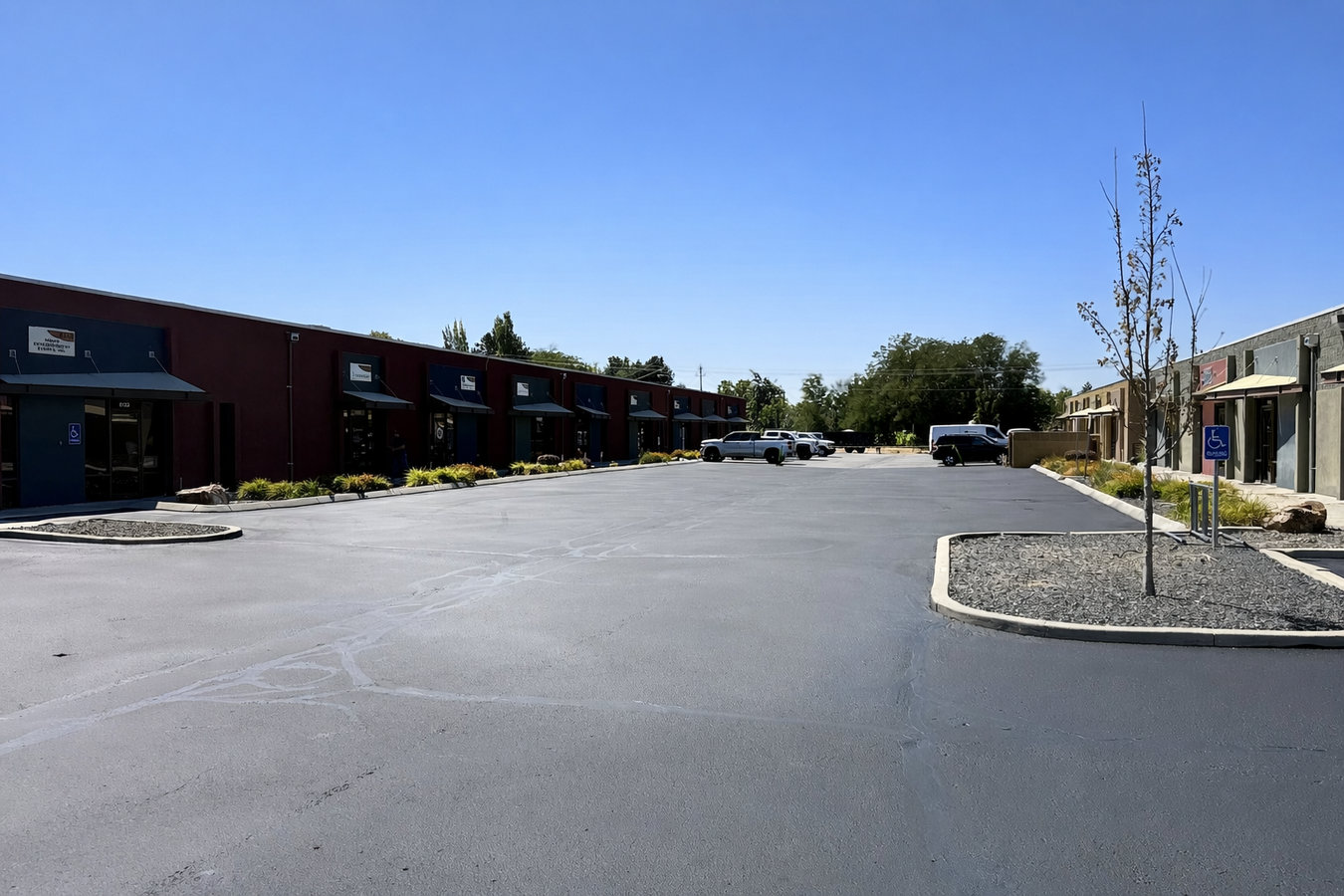
A gravel lot that turns to mud every spring or cracked asphalt that heaves after each winter costs you more over time than a properly built concrete lot built once and maintained right.
Concrete parking lot building in Danbury means preparing a solid gravel base, pouring a properly thick concrete slab with drainage grading and control joints, and pulling the required city permit - most residential and small commercial lots are completed within one to two weeks from groundbreaking to cure.
If you are replacing a gravel area, patching a surface beyond repair, or starting fresh next to a new structure, a concrete lot is the most durable long-term option in Danbury's climate. Concrete holds up to freeze-thaw cycles far better than asphalt when the base is built correctly. Many property owners who call us for a parking lot project also ask about concrete driveway building at the same time, which can often be coordinated in a single mobilization.
Getting the base right - removing clay pockets, compacting gravel, and grading for drainage - is what separates a lot that lasts 40 years from one that starts cracking after five winters.
If you walk your parking area in April and see sections that have buckled upward, cracked in jagged lines, or shifted out of alignment, that is freeze-thaw damage at work. In Danbury, this kind of damage accumulates year after year in older asphalt or poorly built surfaces. Patching it repeatedly costs more over time than replacing it with a properly built concrete lot.
Standing water after a rainstorm means your surface is no longer draining - either because it has settled unevenly or was never graded correctly. In Danbury's clay-heavy soils, settling is common as the ground shifts with seasonal moisture changes. A new concrete lot, built with proper grading, solves this problem at the source.
If you have a gravel or unpaved area you use for parking, you already know the issues: mud in spring, dust in summer, ruts that get worse every year. Converting it to concrete gives you a surface that is easy to maintain, looks professional, and holds up to Danbury winters without constant attention.
When repairs are more visible than the original pavement, you have passed the point where patching makes financial sense. A parking lot that has been patched repeatedly also presents uneven surfaces - a trip hazard that matters especially in a commercial setting. At some point, a full replacement is the only real fix.
We handle residential parking areas, small commercial lots, and multi-vehicle pads throughout Danbury and the surrounding region. Every project begins with a proper site assessment - we look at existing drainage, soil conditions, and how the space is used before recommending a slab thickness or layout. For properties where the lot connects to a driveway or apron, we coordinate with our concrete driveway building work so the two surfaces tie together cleanly at the right grade.
When a project also involves structural elements - like a vehicle canopy or covered structure adjacent to the lot - we incorporate proper concrete footings into the scope so the entire installation meets Danbury building code requirements. We handle all permitting through the City of Danbury Building Department and coordinate inspections, so you are not chasing paperwork.
Best for homeowners adding a second vehicle area, converting gravel, or building a dedicated parking space next to a garage or addition.
Suited for small business owners, multi-family property owners, or anyone who needs a durable, low-maintenance surface for regular vehicle traffic.
Right for property owners who are done dealing with mud, ruts, and annual re-graveling and want a surface that requires minimal upkeep year after year.
For properties with deteriorated asphalt or concrete that has been patched past the point of further repair, starting fresh delivers a better result than continued patching.
Danbury sits at a higher elevation than coastal Connecticut, which means it typically sees more freeze-thaw cycles per winter - sometimes 30 or more in a single season. Each cycle pushes water into small surface cracks, freezes it, and widens the crack from the inside. This is why concrete thickness, base preparation, and proper joint placement matter more here than they would in a warmer climate. An asphalt surface can look fine in July and be badly heaved by the following April.
The glacially deposited soils throughout Fairfield County also present a challenge: clay pockets hold water and shift with the seasons, and rocky soil can make excavation more involved than in areas with softer ground. We work in Bridgeport and Norwalk as well and understand the full range of soil conditions across the region. Getting the base layer right before a single bag of concrete is mixed is the single most important part of a parking lot project in this area.
We visit the property, measure the area, look at drainage and soil conditions, and give you a written price before you commit. We reply within one business day of your first contact.
We submit the permit to the City of Danbury Building Department and manage the approval process. This typically adds one to three weeks before work begins - we factor it into your project timeline from the start.
We remove any existing surface or soft soil, bring in compacted gravel, and establish the drainage slope. This is the most critical phase and typically takes one to two days depending on site conditions.
The pour and finish - including control joints - usually happens in a single day. Plan to keep vehicles off the surface for at least seven days. We walk you through the timeline and maintenance steps at the final walkthrough.
Free on-site estimate. Permit handled by us. No pressure to book.
(475) 218-4243Danbury regularly sees 30 or more freeze-thaw cycles in a single winter, more than many other Connecticut cities because of its higher inland elevation. We spec slab thickness and base depth specifically for these conditions - not a generic Northeast standard.
We handle every step of the City of Danbury permitting process. Your finished lot is on record, done to code, and will not create a problem when you refinance or sell. Skipping permits is something we never do.
Glacial till and clay pockets are common throughout Danbury properties. We assess soil conditions before pricing, so unexpected ground conditions do not become a surprise bill for you mid-project. The American Concrete Pavement Association guidelines we follow address these variables directly.
We visit every site before quoting a price. Our estimates break out base work, concrete, and permit fees separately so you can see exactly what you are paying for. We do not quote over the phone without seeing the ground conditions first.
Every parking lot we build is designed for the specific property, soil, and use case - not a one-size-fits-all spec. That approach is why our lots do not show up in spring with the heaving and cracking that cheaper bids produce.
When your parking structure needs a supported canopy or adjacent building, we install footings to code so the entire project holds up through Connecticut winters.
Learn moreCombine your parking lot project with a new driveway approach so the two surfaces connect at the right grade and drain properly away from your property.
Learn morePaving season in Danbury is short - reaching out now means you secure a spot before contractors are booked out for the warm months.